
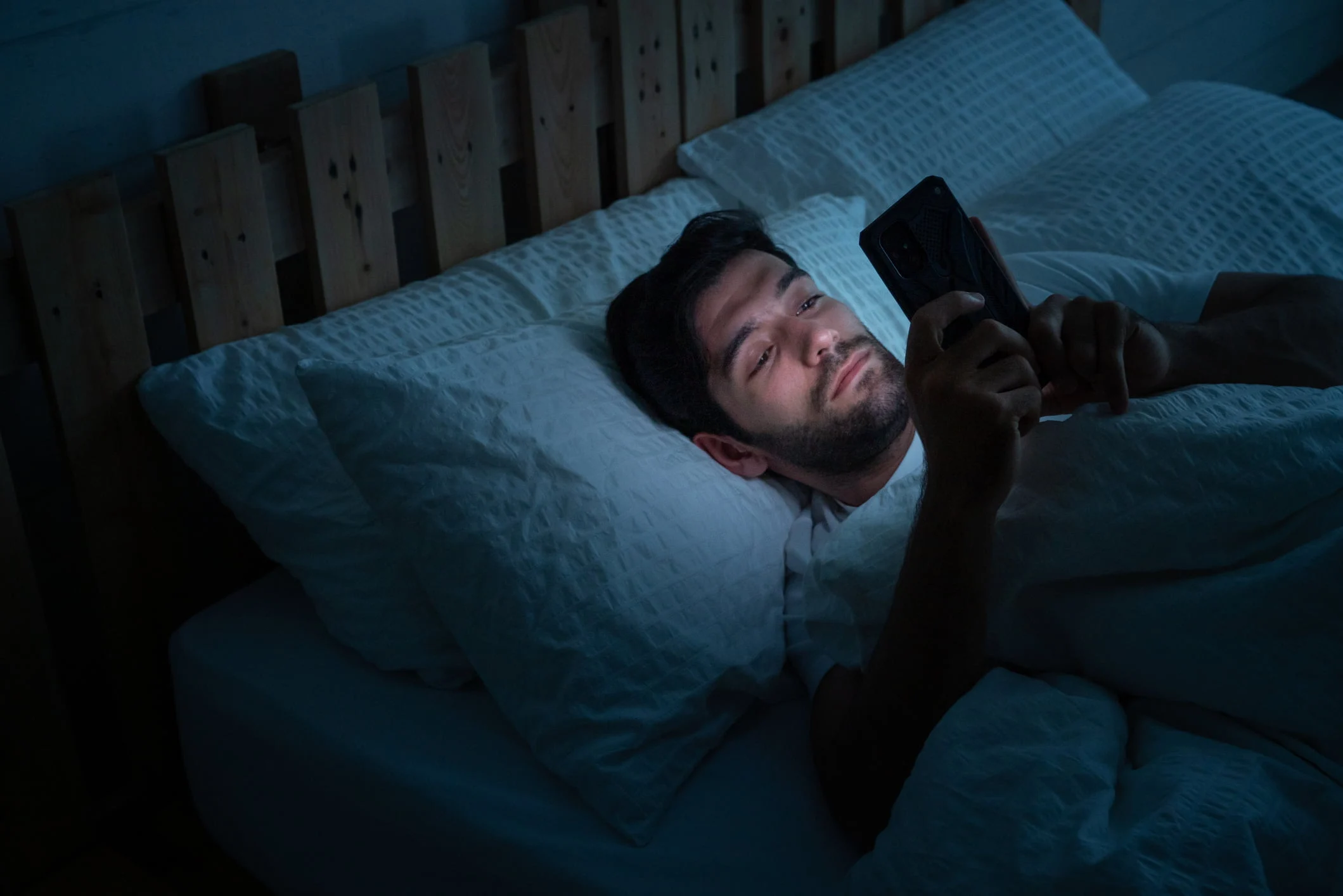
If you've ever picked up your phone "for a second" and resurfaced 40 minutes later, tense and vaguely worse than before — you've been doomscrolling. Doomscrolling Malaysia has become a quiet but common habit: late-night feeds full of bad news, comparison, and outrage that we can't seem to put down, even as it makes us feel worse.
What Doomscrolling Actually Is
Doomscrolling is the compulsive habit of continuing to scroll through negative or distressing content well past the point where you're actually learning anything new. It's different from simply checking the news. The giveaway is the feeling that follows — a low hum of anxiety, restlessness, or dread — paired with the inability to stop. Doomscrolling Malaysia searches have grown alongside rising smartphone use, 24-hour news cycles, and algorithm-driven feeds designed to keep you engaged, not calm.
Why It's So Hard to Stop
Our brains are wired to pay attention to threats. Every alarming headline or distressing video triggers a small alert response, and social platforms are built to keep feeding that response because it keeps us scrolling. Add in variable rewards (you never know what the next post will bring) and it becomes a loop that's genuinely difficult to break through willpower alone. This is one reason doomscrolling Malaysia patterns tend to worsen at night, when there's less to distract from the pull of the phone.
The Mental Health Cost
Left unchecked, doomscrolling has real consequences. Regularly consuming distressing content late at night is linked to poorer sleep, heightened anxiety, and a lingering sense of helplessness — because the brain stays in an "alert" state even after you put the phone down (Psychology Today). For people already managing stress or anxiety, doomscrolling Malaysia habits can quietly deepen the very feelings they're using the phone to avoid. It also overlaps closely with what we covered in our piece on sleep and anxiety — the two feed each other in a loop.
Breaking the Doomscrolling Cycle
A few starting points that actually help:
- Set a "curiosity check." Before opening the app, ask what you're hoping to find. If the honest answer is "nothing in particular," that's your cue to close it.
- Move your charger out of the bedroom. Removing the phone from arm's reach at night interrupts the automatic late-night scroll.
- Replace, don't just restrict. Swap the first five minutes of scrolling with something else — stretching, journaling, a short walk — so there's a real alternative, not just willpower.
- Notice the after-feeling. Doomscrolling Malaysia habits often continue on autopilot; naming how you feel afterward (tense, flat, wired) builds the awareness needed to catch it earlier next time.
If doomscrolling has become tangled up with ongoing anxiety, burnout, or trouble sleeping, that's often a sign the habit is a symptom rather than the root problem. Our related read on mental exhaustion in working adults covers a similar pattern of coping behaviours that quietly drain you.
When to Seek Support
Doomscrolling itself isn't a diagnosis, but persistent anxiety, disrupted sleep, or a sense of dread you can't shake are worth talking through with a professional. At PsyCore, our therapists in Johor Bahru work with clients on anxiety, stress, and the digital habits that often sit underneath them. Book a confidential session if the scroll has started to feel bigger than you.
(For the full picture of how doomscrolling was named and studied, see Merriam-Webster's entry on doomscroll.)